Preview

This is your website preview.

Currently it only shows your basic business info. Start adding relevant business details such as description, images and products or services to gain your customers attention by using Boost 360 android app / iOS App / web portal.

AHMADWOODCRAFT 68b56ee547550d7a602bc420 Products https://www.thewoodcraftstory.com

Manufacturing test

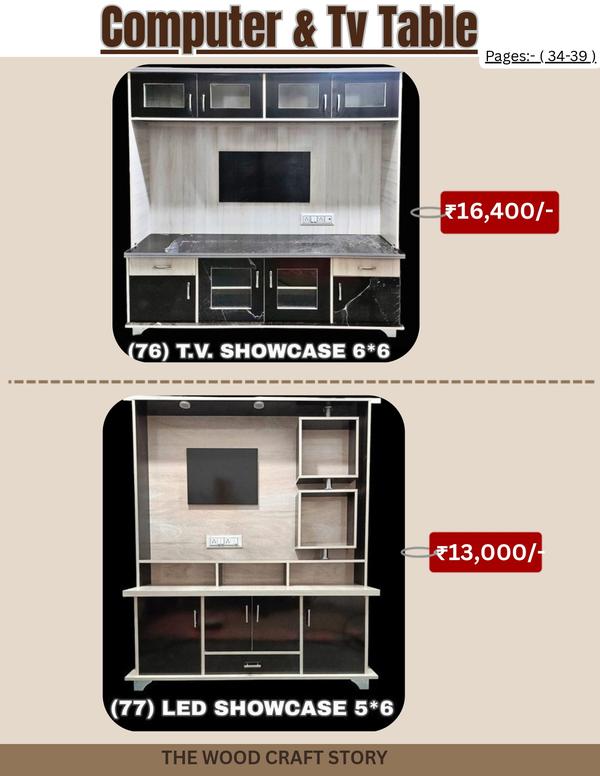
 Computer & TV TableAhmad WOOD Craft https://www.thewoodcraftstory.comComputer Table FeaturesSpacious Surface:Ample space for a desktop, monitor, keyboard, and accessories.Cable Management:Built-in slots or holes for organizing wires neatly.Storage Sections:Drawers, shelves, or CPU stands to keep things tidy.Ergonomic Design:Comfortable height and layout for daily use.Material Options:Available in engineered wood, MDF, or solid wood with laminate or polish finish.📺 TV Table / Entertainment Unit FeaturesElegant Design:Complements your living room décor.Multiple Shelves:For set-top box, sound system, or décor items.Cable Management Ports:Keeps wiring hidden for a clean look.Strong Build:Designed to hold heavy LED or LCD TVs securely.🏠 Common UsesHome offices or study roomsLiving rooms and bedroomsReception areas and small offices🌟 BenefitsSpace-saving and multi-purposeModern and durable constructionEasy to assemble and maintainEnhances the look and organization of your room
Computer & TV Table
VIEW DETAILS
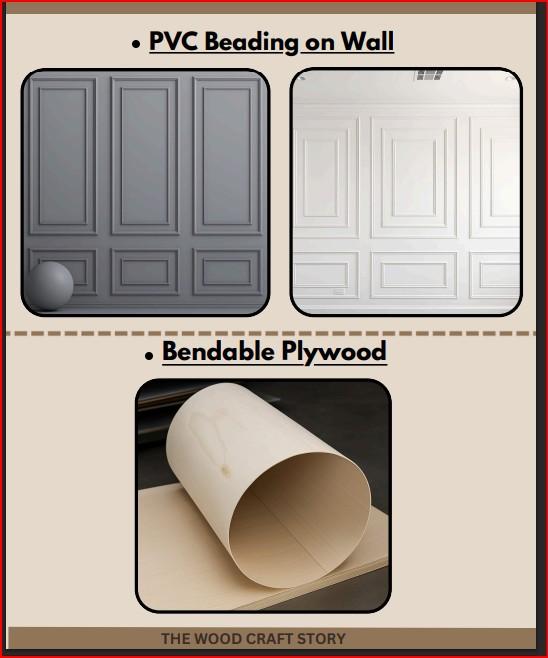
Ahmad WOOD Crafthttps://www.thewoodcraftstory.comUses of PVC Beading on WallsEdge Protection:Covers and protects sharp corners or edges of wall panels, preventing chipping or damage.Joint Concealment:Hides the gaps or joints between two panels, ensuring a seamless finish.Decorative Framing:Used to create geometric wall designs or highlight sections of wall panels (like WPC or Charcoal panels).Transition Trims:Helps transition between different wall materials — for example, between PVC panels and painted walls.Waterproof Sealing:In bathrooms or kitchens, PVC beading helps seal joints and resist moisture.⚙️ Types of PVC BeadingL-shaped Beading: For edges and corners.T-shaped Beading: For panel joints or mid-wall divisions.U-shaped Beading: To cap open edges.Round or Decorative Beading: Adds texture or design to flat walls.🎨 Features & Benefits100% waterproof and termite-proofEasy to clean and maintainLong-lasting and non-corrosiveAvailable in various colors and finishes (matte, glossy, wood grain)Quick installation with adhesive or screws🏠 ApplicationsLiving room feature wallsOffice interiorsBathrooms and kitchensWall panel framingFalse ceiling edge trims
PVC Beading on Wall
VIEW DETAILS
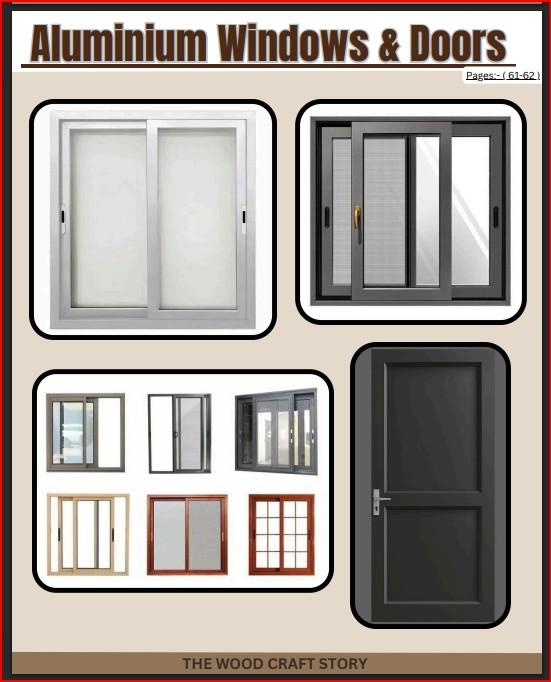
aluminum windows and doorsAhmad WOOD Craft https://www.thewoodcraftstory.comaluminum windows and doors are a popular choice for residential and commercial properties due to their durability and low maintenance. They are available from various fabricators and dealers throughout the city who offer a range of products like sliding windows, casement windows, and customized door designs. Popular options include both standard aluminum and glass combinations, as well as modern alternatives like uPVC, catering to different aesthetic and functional needs. Types of aluminum windows and doorsSliding windows and doors: These are a space-saving option, ideal for balconies and patios.Casement windows and doors: These offer a wider opening and are often used for more traditional or grand entrances.Custom designs: Many local fabricators offer tailor-made solutions to match specific architectural requirements.
aluminum windows and doors
VIEW DETAILS
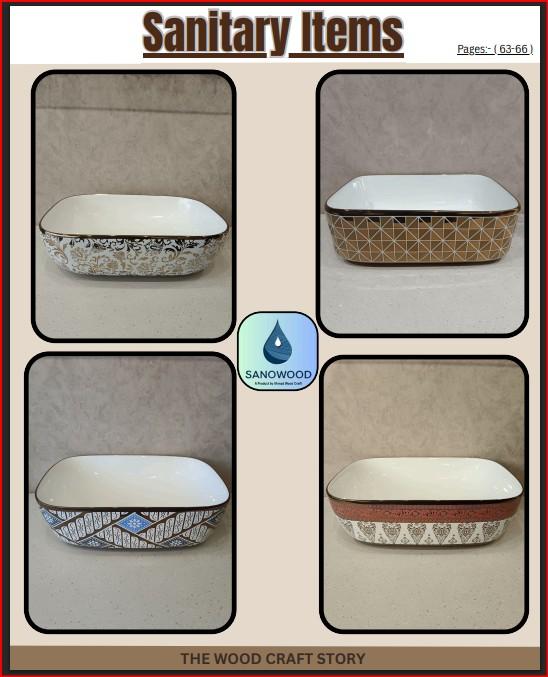
sanitary items Ahmad WOOD Craft https://www.thewoodcraftstory.comSanitary items, also known as sanitary ware, are fixtures designed for hygiene in bathrooms and kitchens. They include products like toilets, washbasins, bidets, bathtubs, and showers, and are made from durable, non-absorbent materials such as ceramic, porcelain, and stainless steel. These items are connected to a building's water supply and drainage system to efficiently collect and remove waste.  Key features and characteristicsFunctionality: They are designed to provide essential functions for personal hygiene, such as waste removal (toilets, urinals) and water-related tasks (sinks, showers). Materials: Common materials include porcelain, vitreous china, and glazed ceramic, chosen for their durability, water resistance, and ease of cleaning. Other materials like acrylic, stone, metal, and glass are also used. Hygiene: They are constructed with smooth, non-porous surfaces that are easy to clean and resistant to bacterial growth. Connection: Most sanitary items are plumbed in, meaning they are connected to a building's water supply and drainage networks. Design: They are designed with ergonomics and aesthetics in mind, with a wide variety of styles, shapes, and sizes available to suit different spaces and decor. Common types of sanitary itemsToilets: Including water closets (WCs) and bidets.Washbasins: Also called sinks or basins, in various styles like pedestals, wall-hung, and countertop.Baths and showers: Including bathtubs, shower trays, and showerheads.Urinals: Primarily found in public restrooms.Fittings: Associated items like faucets, mixers, and drains.
sanitary items
VIEW DETAILS
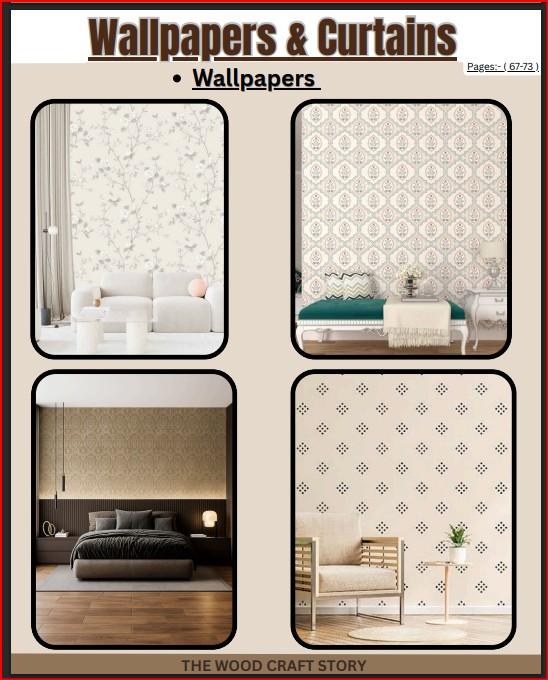
Ahmad WOOD Crafthttps://www.thewoodcraftstory.comWallpapers are ornamental and utilitarian coverings for interior walls, sold in rolls and applied with paste to add color, pattern, or texture. Curtains are fabric panels hung to block light, provide privacy, or add a decorative element to windows and doorways. They work together in home decor to define the mood and style of a room.  WallpapersFunction: Wallpapers are used to cover and decorate interior walls in both residential and commercial buildings. Types: They can be plain, textured, or printed with a repeating pattern or a large, single design. Some wallpapers are also used as “lining paper” to cover minor wall defects. Application: They are typically sold in rolls and are applied to walls using wallpaper paste. Purpose: They can be purely decorative, providing color, pattern, and texture, or they can offer a more hygienic and easily cleaned surface. CurtainsFunction: Curtains are used to cover windows to block light, provide privacy, or serve as a decorative element. Types: Common types include cloth curtains, blackout curtains, and net curtains. They are also known as draperies or, when hung over a doorway, portières. Application: They are hung on a rod or track above a window or doorway. Purpose: They add softness, warmth, and flexibility to a room's decor. They can be chosen to match the room's color scheme and overall style. Synergy between wallpapers and curtainsComplementary design: Wallpapers and curtains are essential elements of home decor that can be combined to create a cohesive and stylish look. Customization: They can be customized to fit a specific room, with options for different fabrics, sizes, and designs to achieve a desired aesthetic and feel. Flexibility: Mixing and matching curtains and blinds, or coordinating curtains with wallpaper, adds depth and flexibility to a room's design
Wallpapers & Curtains description
VIEW DETAILS
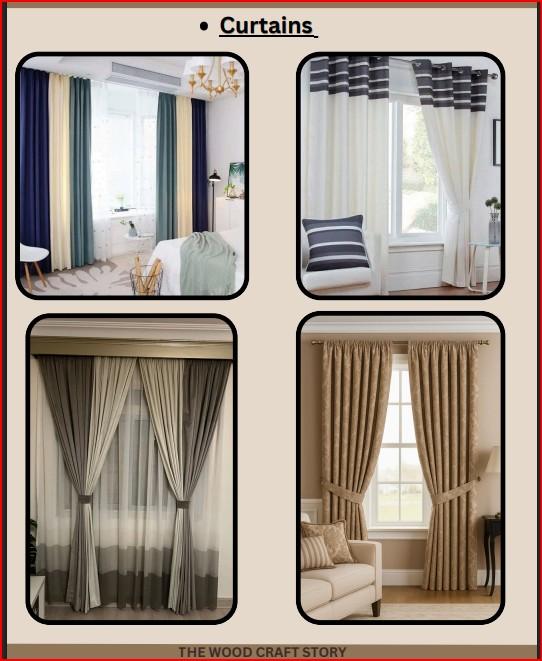
CurtainsAhmad WOOD Craft https://www.thewoodcraftstory.comCurtains are pieces of fabric hung to block light, provide privacy, or decorate a window. They can also be used as room dividers or to conceal areas, and the term “curtain” has a specific meaning in theater for the large screen that separates the stage from the audience. Curtains also serve functional purposes like controlling room temperature, preventing drafts, and influencing room ambiance and decor.  Uses of curtainsWindows: The most common use is to hang curtains at windows to control the amount of natural light that enters a room. Dividers: Curtains can be used to divide large rooms into smaller, more private areas. Concealment: They are also used to hide unsightly areas or create a more decorative background. Theater: In a theater, a “curtain” is the large hanging piece of fabric that conceals or reveals the stage. Functional aspectsLight control: Curtains help regulate the amount of light entering a room, from sheer drapes that diffuse light to blackout curtains that block it completely. Privacy: They provide a barrier for privacy, preventing outsiders from seeing inside. Insulation: Curtains can help insulate a room by preventing heat from escaping or entering, and reducing drafts from doors or windows. Decorative aspectsRoom ambiance: Curtains add to the overall look and feel of a room, affecting its ambiance and style. Aesthetics: They are a key element of interior design, and can be used to create a sense of luxury or comfort through their folds and how they fall.
Curtains
VIEW DETAILS
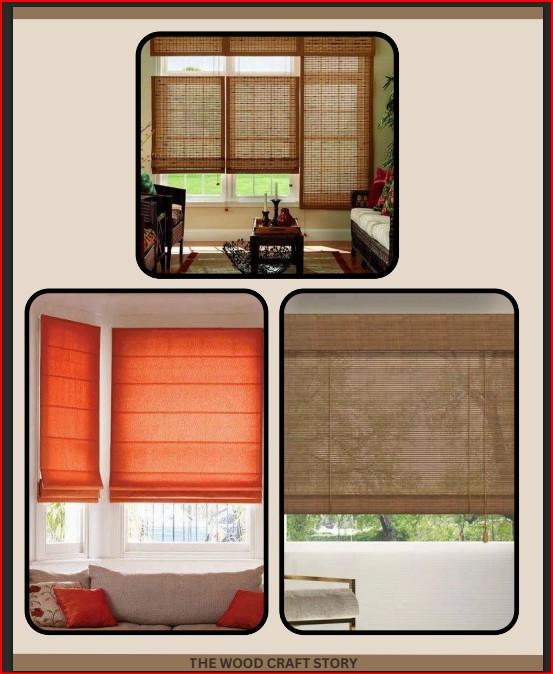
Window BlindsAhmad WOOD Crafthttps://www.thewoodcraftstory.comWindow blinds are a type of window covering consisting of horizontal or vertical slats made of wood, metal, or plastic that can be adjusted to control light, privacy, and airflow in a room. Blinds are maneuvered with cords or a wand to tilt the slats, spacing them out to let light in or overlapping them to block it. They are used in homes and commercial spaces for their functional control over light and privacy, as well as for decorative purposes and energy conservation.  Key CharacteristicsSlats: Blinds are composed of individual, long slats or vanes. Materials: Common materials include wood, aluminum, vinyl, plastic, and PVC. Orientation: They can be either horizontal (like Venetian blinds) or vertical. Control: Slats are controlled by lifting cords or rotating a wand to tilt them. Function: Blinds provide light, privacy, and can help regulate room temperature. How They WorkRaising/Lowering: Pulling the lift cords raises the blinds, stacking the slats. Releasing the cord lock holds them in place. Tilting: A wand, attached to a tilt rod, rotates the gears, which in turn turns the string ladders to tilt the slats. This allows for precise control over light and visibility. Common TypesHorizontal Blinds: A common type with slats that can be tilted or raised. Vertical Blinds: Often used in offices or commercial buildings, these are made of vertical slats that slide side-to-side and can be tilted. Roman Blinds: While technically a type of shade, some styles use fabric that folds into pleats as they are raised, providing a different aesthetic.
Window Blinds
VIEW DETAILS
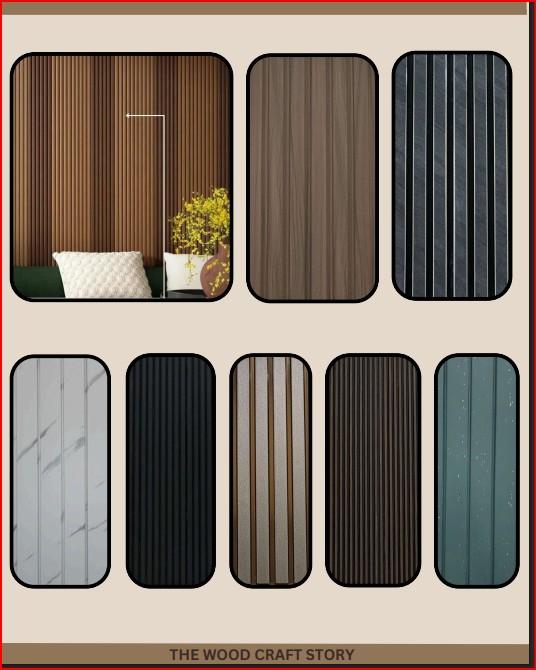
Ahmad WOOD Crafthttps://www.thewoodcraftstory.comCharcoal wall panels are decorative panels made using charcoal material (or charcoal-coloured finishes) used for wall cladding or interior decor. Some features:Feature	DetailsMaterial Types	Composite panels (charcoal + resin/wood/polymer), PS (polystyrene) charcoal panels, WPC/PVC, louvers, fluted or 3D designs. turismodecor.com+3matemart.in+3turismodecor.com+3Finish	Often matte, textured, with 3D effects or grooves. Also finishes like marble-look or colour accents. Plantex E-Commerce Private Limited+2Plantex E-Commerce Private Limited+2Thickness & Size	Several mm thick (6-12 mm common), long strips (5-inch wide × 8-9 ft long) for louver/fluted panels. turismodecor.com+1Properties	Good insulation, sound absorption, moisture resistance, lightweight. Many are fire-resistant / termite-proof / easy to maintain. Plantex E-Commerce Private Limited+1Where to Use / BenefitsAccent Feature Walls: behind TV, bed headboards etc.Offices, Studios: helps with sound & looks professional.Moist Areas if using water-resistant panels (bathrooms / kitchens) but check if product is OK for humid areas.Ceilings, Partitions (if structurally suitable).Exterior use if the material and finish are weather-proof.Things to Watch Out For / Selection TipsCheck moisture resistance (especially in humid climate).Whether fire rating is required.How the panels are fixed/installed — adhesive, mechanical, clips etc.Colour and finish; charcoal is dark, so lighting will affect how it looks.Panel joints / seams: depending on design these may be visible.Maintenance – cleaning, dust, etc.
Charcoal Wall Panels description
VIEW DETAILS
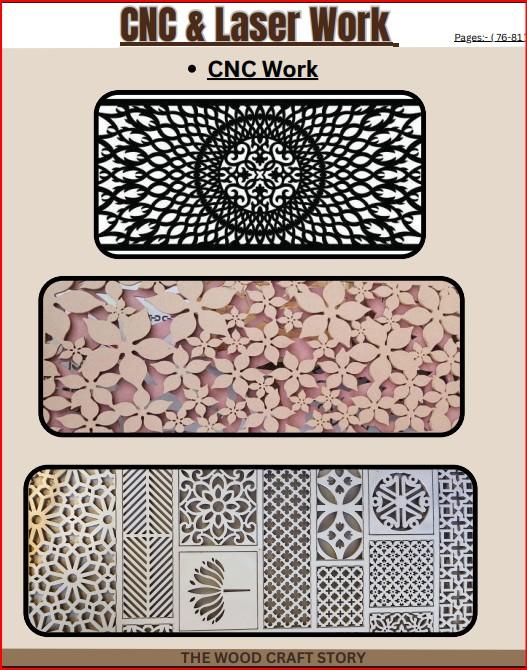
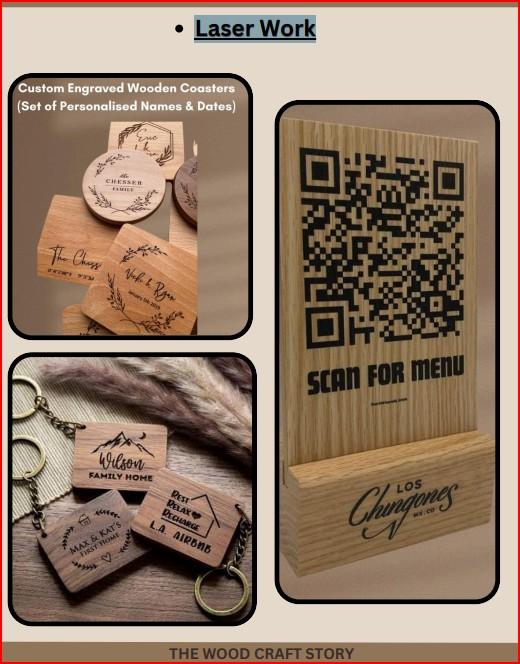
 CNC & Laser WorkCNC and laser work involves using a computer-controlled laser to cut, shape, or engrave materials with high precision. The process starts with a design in CAD software, which is then converted to machine instructions (G-code) using CAM software. The CNC machine then uses a focused laser beam to follow the instructions, cutting through or marking the material, which can include wood, metal, plastic, and fabric.  CNC laser cutting and engravingDesign and Programming: A design is created using Computer-Aided Design (CAD) software. A Computer-Aided Manufacturing (CAM) program translates the design into a series of instructions (G-code) that the CNC machine can understand. Material Preparation: The chosen material, such as metal, wood, plastic, or fabric, is placed on the machine's work surface. Cutting or Engraving: The CNC machine directs a high-powered, focused laser beam along the programmed path. The laser cuts through the material by vaporizing, melting, or burning it. Quality Control and Finishing: After the process is complete, finished parts are inspected for accuracy and quality. Depending on the application, additional post-processing steps like deburring or surface treatment may be applied. ApplicationsAutomotive and Aerospace: Cutting sheet metal components for vehicles and aircraft.Jewelry: Cutting and engraving intricate designs in precious metals.Signage: Creating letters and logos from various materials.Woodworking: Engraving designs and logos onto wooden items.Industrial: Creating custom parts and components for a wide range of products.
CNC & Laser Work
VIEW DETAILS
Laser WorkLaser work involves using a high-energy, focused beam of light for various industrial, medical, or cosmetic applications like cutting, engraving, welding, and hair removal. Technically, a laser works by light amplification by stimulated emission of radiation, where a gain medium is “pumped” with energy to create a highly monochromatic and collimated beam. This beam can then be used to precisely cut, shape, or modify materials
Laser Work
VIEW DETAILS
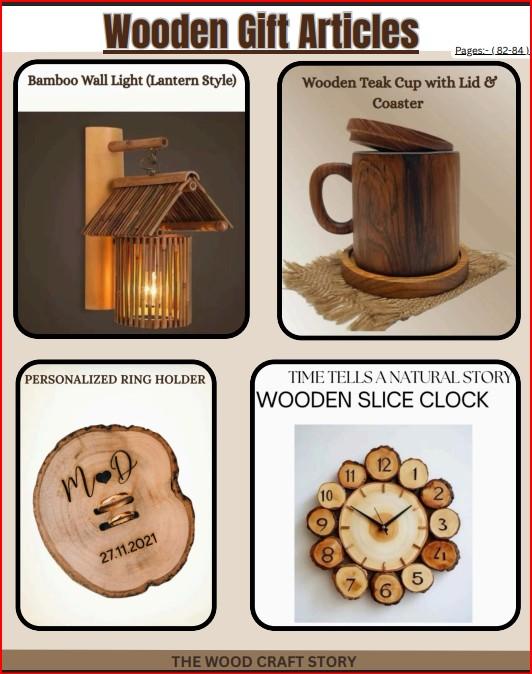
Home Décor GiftsWooden photo framesHandcrafted wall clocksCarved wall hangingsWooden candle stands or tealight holdersPersonalized GiftsEngraved wooden nameplatesCustomized keychainsWooden plaques with photo or messageWooden calendar or pen stand with engravingCorporate GiftsWooden desk organizersTrophy or award plaquesPen stands with company logoWooden coasters and paperweightsLifestyle & Utility ItemsWooden jewelry boxesWatch boxes or spectacle casesWooden mobile standsServing trays and chopping boardsEco-Friendly SouvenirsMini wooden plants or plantersWooden fridge magnetsBamboo & wood combo gift sets🌿 Materials UsedTeak wood – durable and premium finishSheesham (Rosewood) – rich color and strengthMango wood – eco-friendly and affordableBamboo – sustainable and lightweight💡 Occasions for Wooden GiftsCorporate eventsBirthdays & anniversariesWedding favorsHousewarming giftsFestive gifting (Diwali, Christmas, etc.)
Wooden Gift Articles
VIEW DETAILS
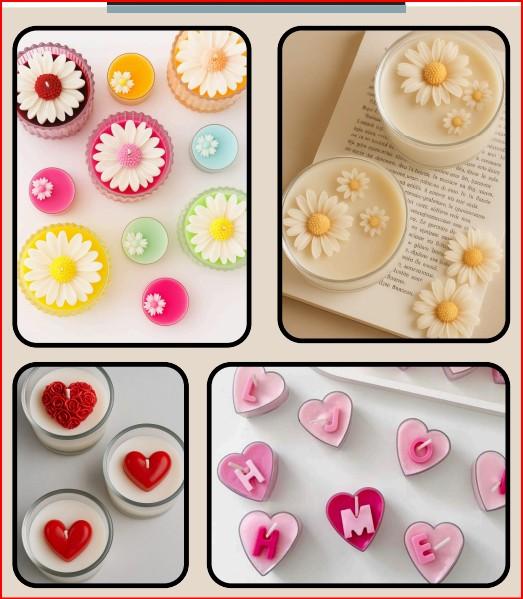
Handmade CandlesHandmade candles are crafted by artisans, often in small batches, using quality ingredients like natural waxes and essential oils. They are distinguished by their unique craftsmanship, attention to detail, and the resulting richer, more nuanced sensory experience compared to mass-produced alternatives. This process allows for greater quality assurance, potentially fewer toxic chemicals, and a more sustainable production with less waste.  Key characteristicsArtisanal and handcrafted: Each candle is made by hand, ensuring a personal touch and a higher level of care in the creation process. Quality ingredients: Artisans often prioritize using natural waxes and high-quality, essential oil-based fragrances, creating subtle and complex scents. Unique and varied: Because they are made in small batches, each candle can have slight variations, making them unique. This offers a bespoke experience that mass-produced candles cannot match. Refined sensory experience: The use of fine ingredients and handcrafted techniques results in candles that burn evenly, release a consistent fragrance, and create a warm, inviting ambiance. Benefits and advantagesQuality assurance: Individual attention during the creation and testing process leads to a higher standard of quality compared to mass-produced candles that rely on machinery. Safer products: Makers often have more control over the materials they use, leading to a reduced risk of using toxic chemicals in the production. Reduced waste: Smaller-scale production means that mistakes are less likely to result in large amounts of waste. Unique fragrances: The use of essential oils provides a more refined and complex olfactory experience, creating a refined sense of well-being and relaxation.
Handmade Candles
VIEW DETAILS

Filter using tags

Have any question or need any business consultation?

Have any question or need any business consultation?

Contact Us